~ The Islands ~

North Lagoon

Murano - Burano - Torcello

Going independent

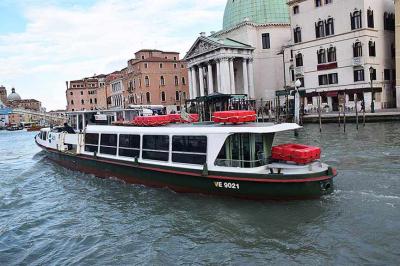
I recommend buying a vaporetto (public transport) ticket valid for 24 hours; once you arrive, you can decide what to visit, such as the Glass Museum and glassworks in Murano, the small workshops and lace workshops in Burano, and the basilica and Attila's Throne in Torcello. There are also excellent restaurants on the island of Torcello: they are expensive, but really worth it.
Choose an organised tour

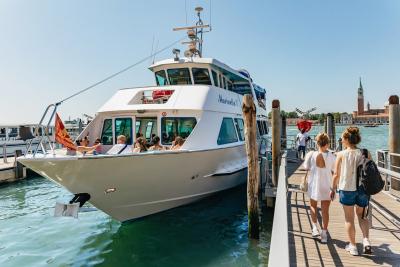
Many guests prefer this solution because a guide is usually included and there is often the possibility of carving out independent moments. Moreover, with organised tours there is no risk of wasting time with transport, which is dedicated, or of lingering in areas that might be less interesting.
  • getyourguide
  • vivovenetia

💡 Organised Tours

These excursions generally depart from the centre of Venice (San Marco, Piazzale Roma or Santa Lucia) and include boat transport, guide and scheduled stops on each island.

Murano

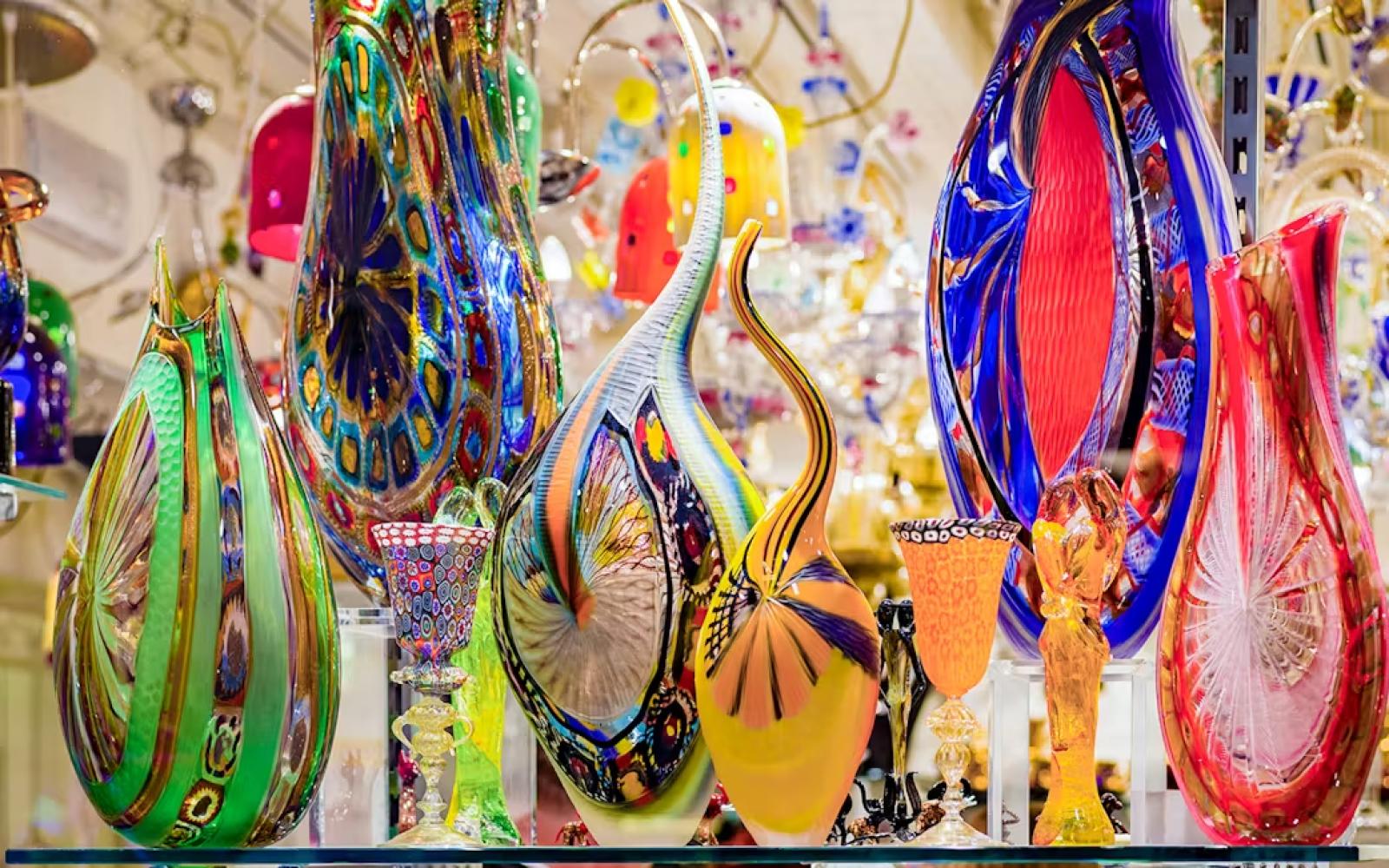
Murano is a historic island in the Venetian lagoon, world-famous for its centuries-old tradition of glassmaking. Just minutes from Venice, it offers quiet canals, artisan workshops, historic furnaces and museums, in a more relaxed atmosphere than the centre. It is an ideal stop to discover local crafts and experience an authentic and creative side of the lagoon.

From Piazzale Roma to Murano:

At Piazzale Roma reach the landing stage "P.le Roma". - Take the vaporetto Line 3 (direction Murano): it is direct and arrives in Murano (Colonna / Museo / Faro). Alternatively, take Line 1 or 2 to Fondamente Nove, then change to: - Line 4.1 or 5.1 to Murano.
  • Line 3 direct: approx. 25-30 minutes
  • With change at Fondamente Nove: about 40-45 minutes

💡 Council:

if available, Line 3 is the easiest and most convenient solution

Glass Museum

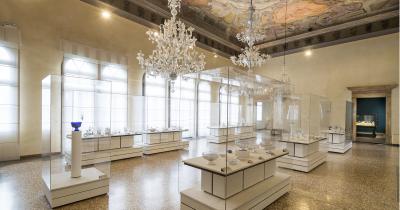
The Glass Museum is located in Murano, in the historic Palazzo Giustinian, and is the main museum dedicated to the art of Murano glass. It tells the history of glass from antiquity to the present day, with works ranging from Roman glass to contemporary creations. It is a fundamental stop to understand the craftsmanship excellence of Murano and the central role that glass has played in Venetian history.

Visit the glassworks

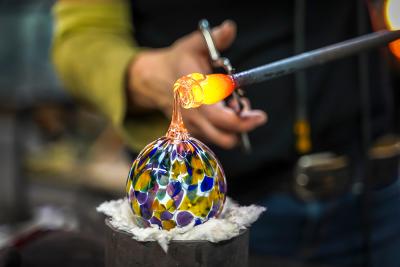
A visit to the Murano glassworks allows you to witness glassblowing live, watching the master glassmakers as they transform molten glass into true works of art. During the demonstration, traditional Murano techniques, handed down for centuries, are explained, and afterwards it is often possible to visit the showroom. It is a short but fascinating experience, ideal for discovering the artisanal heart of Murano and understanding the value of original glass.

Restaurant Ai Vetrai

Ai Vetrai is an elegant and cosy restaurant in the heart of Murano, a few steps from the Glass Museum. It offers fine Venetian and Italian cuisine, with fresh fish, meat and vegetarian options, prepared with an eye to seasonality. The ambience is refined yet relaxed, ideal for a quiet meal while visiting the island or for a special occasion.
  • 📍 Fondamenta Manin 29
The history of Murano is closely linked to the art of glassmaking. In 1291 the Venetian Republic decided to move all the furnaces from the historic centre to Murano, both to reduce the risk of fires in the city and to control and protect the secrets of glassmaking. From that moment on, Murano became the world heart of artistic glassmaking, with master glassmakers famous throughout Europe and a tradition that continues to this day.

Burano

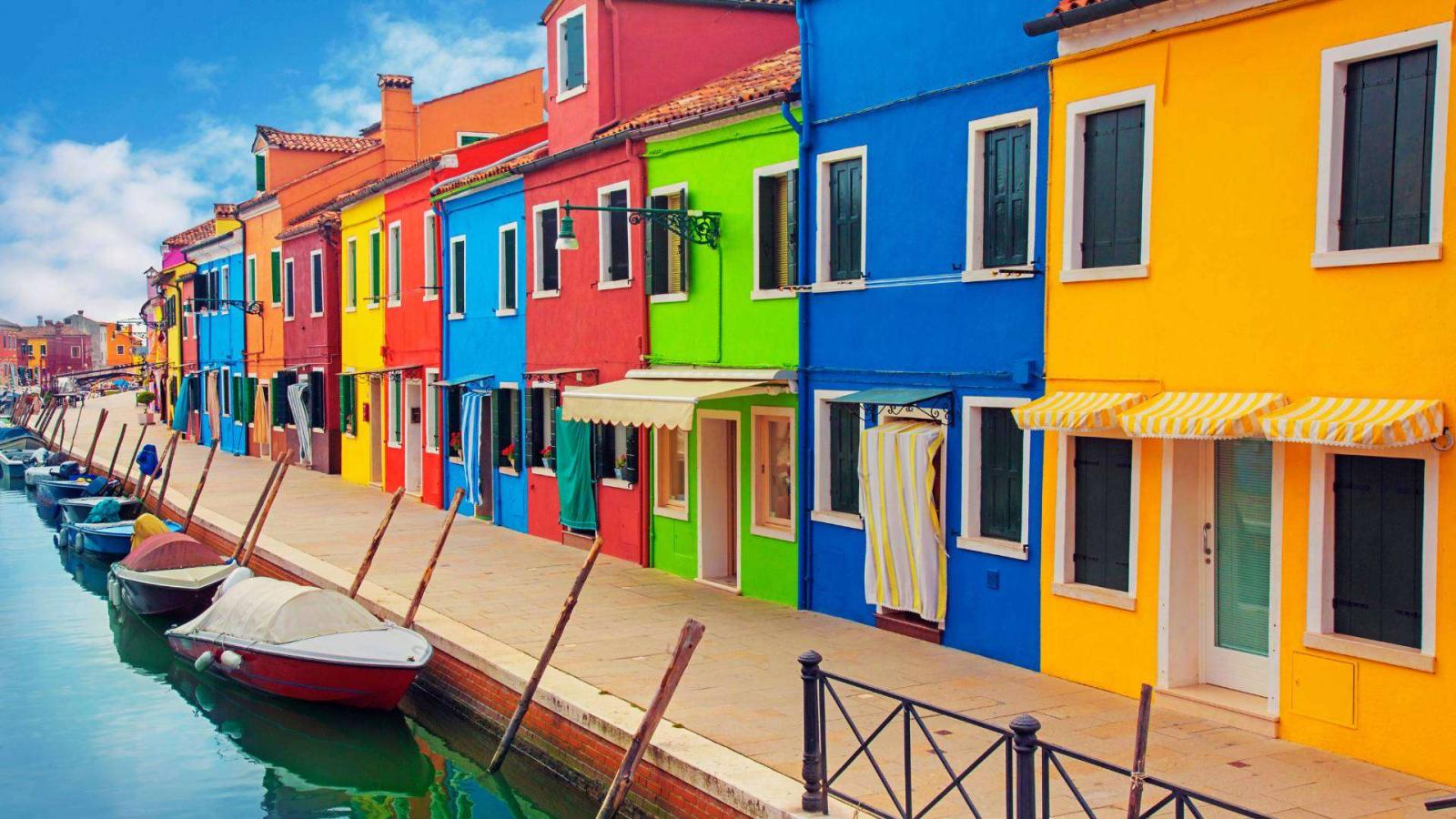
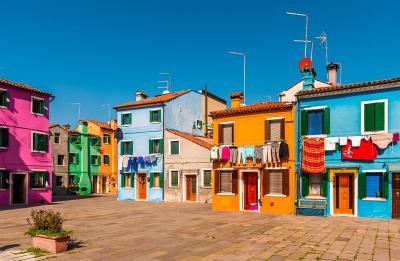
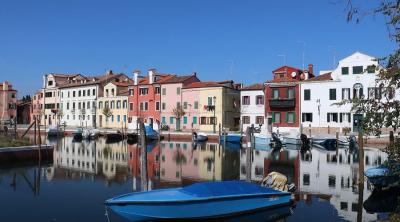
Burano is a small island in the Venetian lagoon famous for its brightly coloured houses overlooking the canals. Also known for its tradition of handmade lace, Burano offers a cheerful and authentic atmosphere of quiet calli and small fish restaurants. It is a perfect destination for a relaxed and photographic visit, away from the hectic pace of Venice.

The colourful houses of Burano

have a history that is as fascinating as it is visual: according to tradition, fishermen and their families painted their facades in bright colours so that they could easily recognise their homes even on foggy days, which are common in the lagoon. Another explanation suggests that each colour served to identify a family or property, on an island where many shared the same surnames and the colours helped to distinguish themselves. Today, the tradition continues and colours are regulated by the municipality, which decides which shades are allowed to maintain the harmony and uniqueness of the village.

The lacework of Burano

are one of the most precious handicraft traditions of the Venetian lagoon, famous for their entirely handmade workmanship and extreme fineness of detail. Originating in the 16th century, they were mainly made by the women of the island, who handed down complex and patient techniques from generation to generation. Today this tradition is preserved and narrated in the Lace Museum, a symbol of Burano's cultural identity.
Strolling around Burano, it is not uncommon to see the ladies sitting outside with their tombolo, intent on creating precious lace while chatting: a simple gesture that tells of the authentic and slow soul of the island.

Torcello

Torcello is one of the oldest and quietest islands in the Venetian lagoon, immersed in nature. It is famous for the Basilica of Santa Maria Assunta, with splendid Byzantine mosaics, and for its atmosphere suspended in time. An ideal destination for those seeking peace, history and authenticity, far from the most crowded routes.

The first settlement

The history of Torcello is considered one of the oldest in the lagoon: according to tradition, it was the first real stable settlement, founded as early as Roman times and then strengthened in the 5th century by populations fleeing barbarian invasions. In the Middle Ages, Torcello became an important political, religious and commercial centre, more populated than Venice itself. The subsequent silting up of the lagoon and unhealthy conditions led to the decline of the island, which today retains a unique historical heritage and an atmosphere suspended in time.

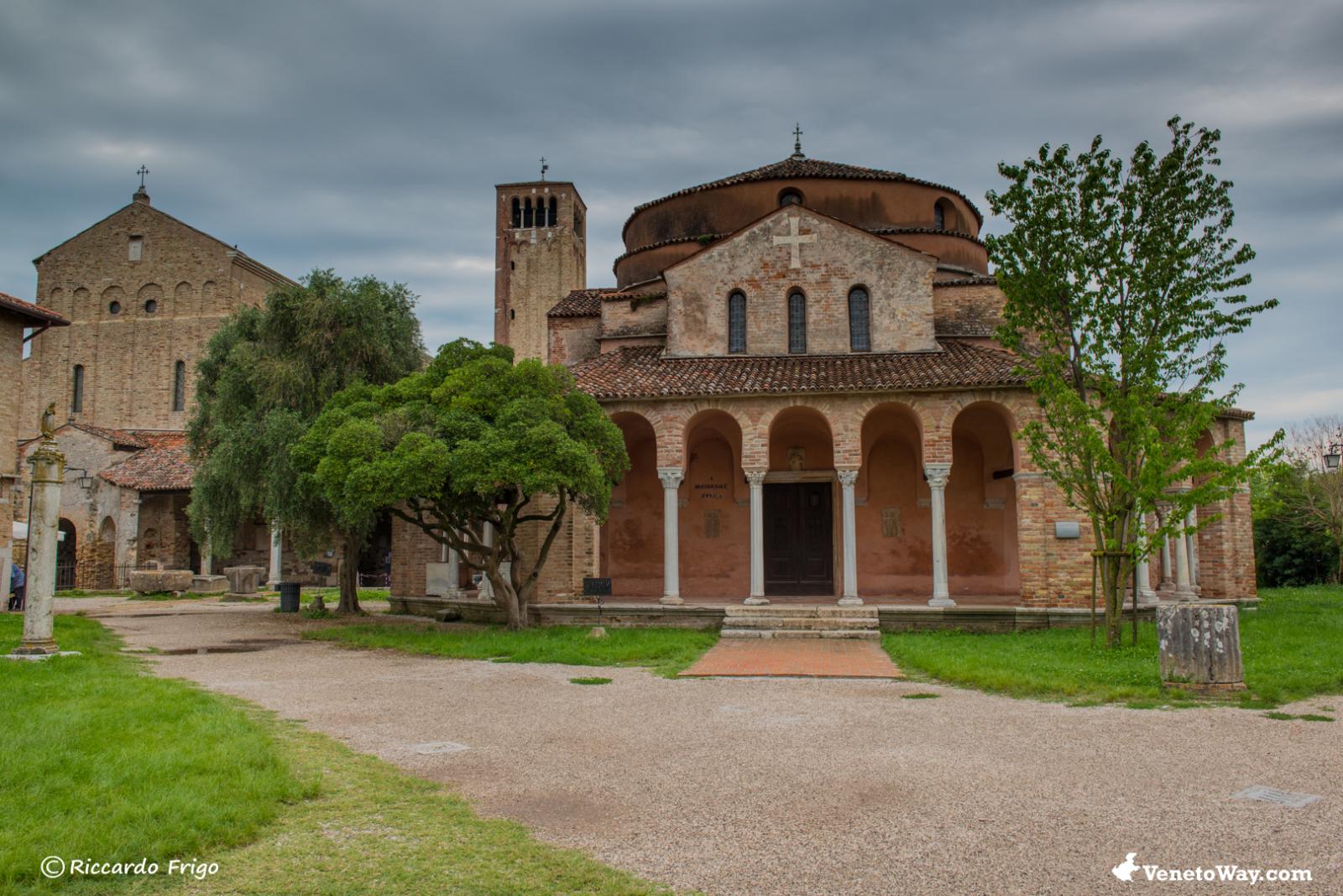
The Basilica of Santa Maria Assunta

is one of the oldest monuments in the lagoon, founded in 639 AD. Inside it preserves extraordinary Byzantine mosaics, including the famous Last Judgement, considered among the most important in the whole of Venice and a symbol of Torcello's historical greatness.

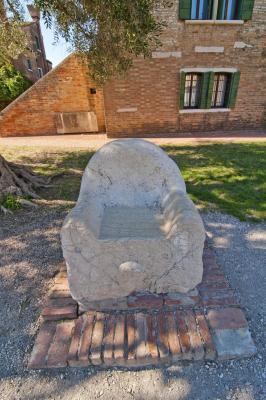
The Throne of Attila

an ancient stone seat from medieval times. Popular tradition links it to Attila, but in reality it was probably a ceremonial seat for civil authorities, now one of the most iconic and curious elements of the island.

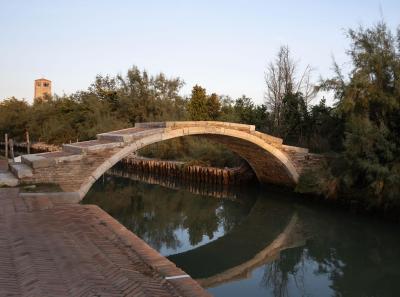
The Devil's Bridge

is one of the most evocative and mysterious places on the island of Torcello. Probably built between the 13th and 14th centuries, it is striking for its shape without parapets, typical of some ancient bridges in the lagoon. The name comes from a popular legend according to which the devil appeared on the bridge on full moon nights; today it is one of the most iconic and photographed symbols of the island, immersed in a silent and timeless atmosphere.

Locanda Cipriani

is a historic restaurant and inn located on the island of Torcello in the Venice lagoon. Founded in 1934 by Giuseppe Cipriani, creator of Harry's Bar, it has become one of the most iconic venetian gastronomic destinations, loved by artists, writers and royalty.
  • 📍 Piazza Santa Fosca 29

Sant'Erasmo

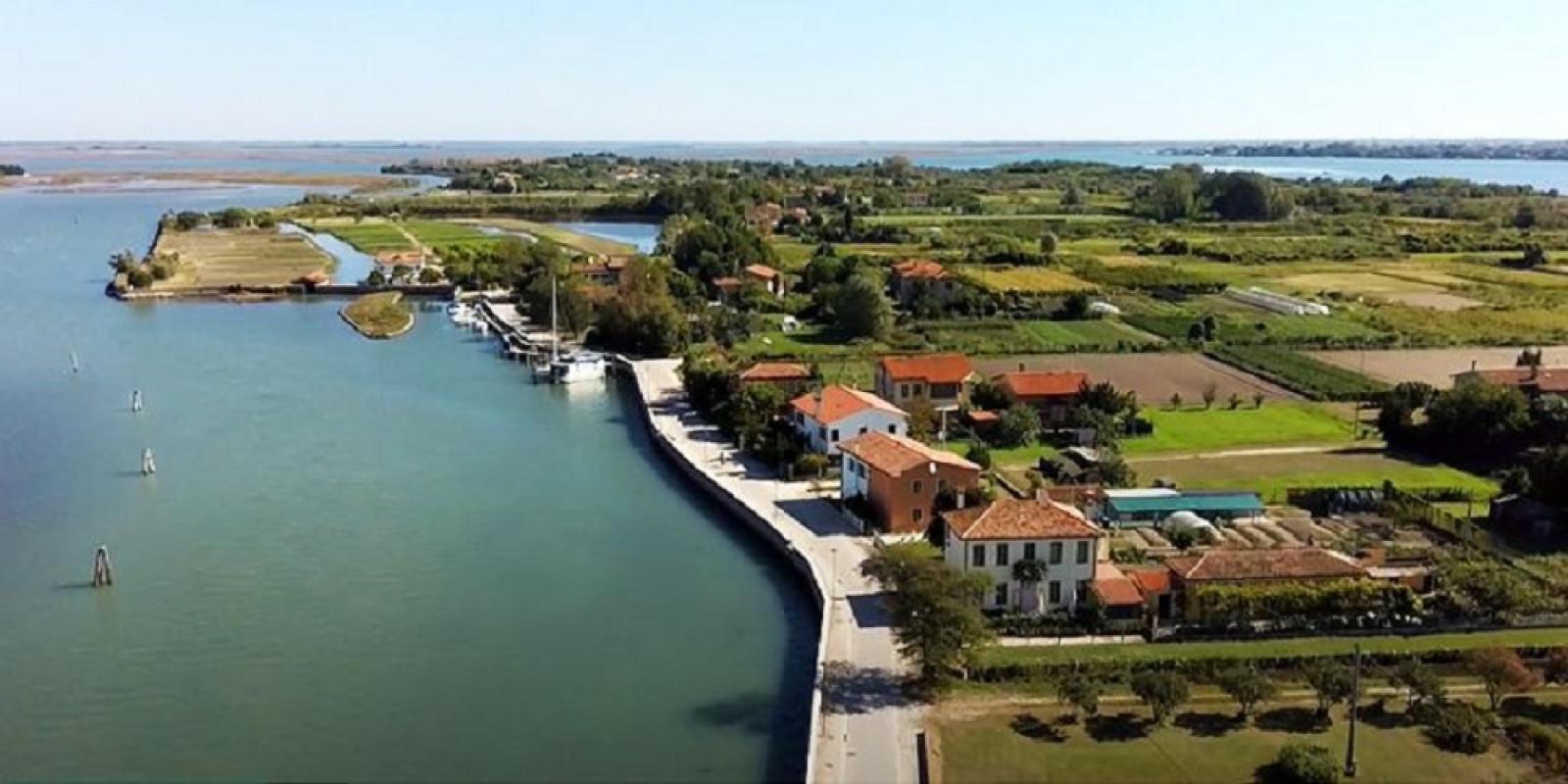
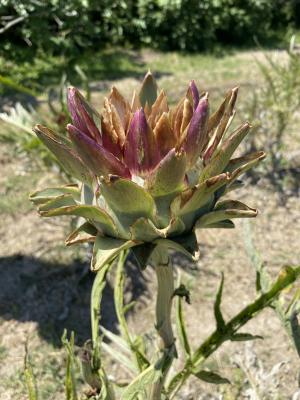
Sant'Erasmo is known as the vegetable garden of Venice, a green and peaceful island in the lagoon. Famous for its agricultural crops, in particular the violet artichoke, it offers rural landscapes, vineyards and ideal routes to explore by bike. It is perfect for those who want to discover the more natural and authentic side of the Venetian lagoon.

The violet artichoke festival

is held every year at the Torre Massimiliana, between late April and May, at the height of the harvest season. It is a festival much loved by Venetians, dedicated to the violet artichoke, an agricultural presidium of the lagoon, the protagonist of traditional dishes, tastings and direct sales by producers. The festival is also a convivial occasion, with food stands, music and a village atmosphere, perfect for experiencing Sant'Erasmo at its most authentic.

Laguna Sud

Lido

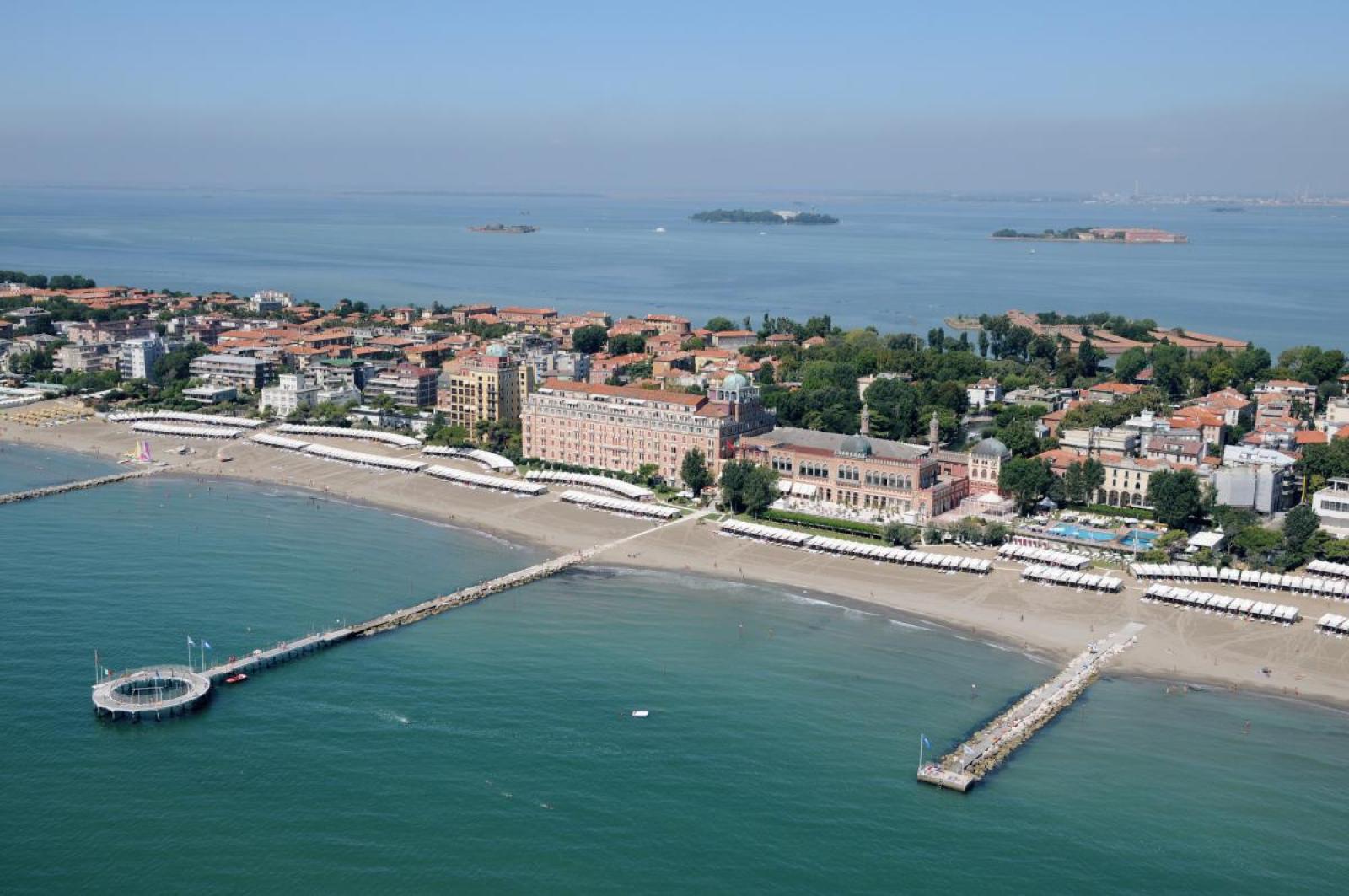
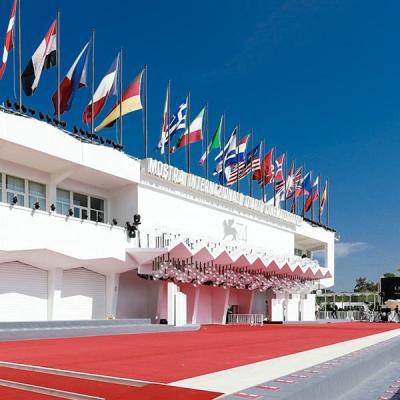
Lido di Venezia is a thin island separating the lagoon from the Adriatic Sea, famous for its wide sandy beaches and elegant atmosphere. It hosts the Venice International Film Festival and combines historic bathing establishments, tree-lined boulevards and Art Nouveau architecture. It is the ideal choice for those who want sea, relaxation and Venice just a few minutes away by vaporetto.

🚴‍♂️ Cycling

the Lido is flat and relatively long (~12 km), so it is also ideal for those who are not experienced cyclists: you can pedal at a leisurely pace and stop wherever you like to explore and admire the sea and the lagoon!
  • Gardin Bicycle Rental
  • Lido on Bike
  • VENICE BIKE RENTAL

Free Time Diving

Freetime Diving is a diving centre of reference in Venice, ideal both for those who want to approach diving for the first time and for certified divers. It offers courses, guided dives and snorkelling activities, with particular attention to safety, teaching and respect for the marine environment. Thanks to its in-depth knowledge of the area, Freetime Diving allows you to discover an unusual and fascinating side of the lagoon and the Adriatic Sea, experiencing Venice even beneath the surface of the water.

The Venice International Film Festival

is the world's oldest film festival, founded in 1932. It takes place every year on the Venice Lido between late August and early September, attracting directors, actors and international productions, with world premieres, red carpets and art-house screenings. It is one of the city's most prestigious cultural events and represents a moment when Venice becomes the world capital of cinema.

Malamocco

is an ancient lagoon village located at the southern end of Venice Lido, with origins dating back to the early Middle Ages. Once the seat of the Venetian Doge, it still retains a cosy historic centre made up of quiet calli, small squares and authentic atmospheres. It is the ideal place to discover the quietest and most residential Venice, far from tourism and immersed in history.

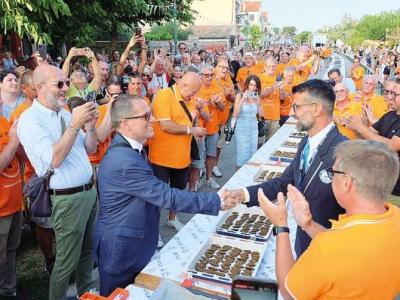
Guinness World Record

On 22 July 2023 Malamocco won a Guinness World Record with the world's largest display of baked mussels au gratin. The event, promoted by the Gruppo Bevanda Malamocco APS association, saw 400 volunteers line up along the Rio Terà a table over 200 metres long with 22,050 mussels au gratin, prepared according to the traditional recipe and counted by an official Guinness World Records judge. Not only a culinary performance on a grand scale, but also a popular celebration that involved the entire community, transforming a typical dish of the lagoon into a symbol of local identity and pride.
From Venice Lido you can easily reach Pellestrina by vaporetto, crossing the southern lagoon. Pellestrina is a long, thin, authentic island, famous for its colourful fishing villages, natural beaches and simple, genuine atmosphere, ideal for a slow trip away from the more touristy routes.

Giudecca

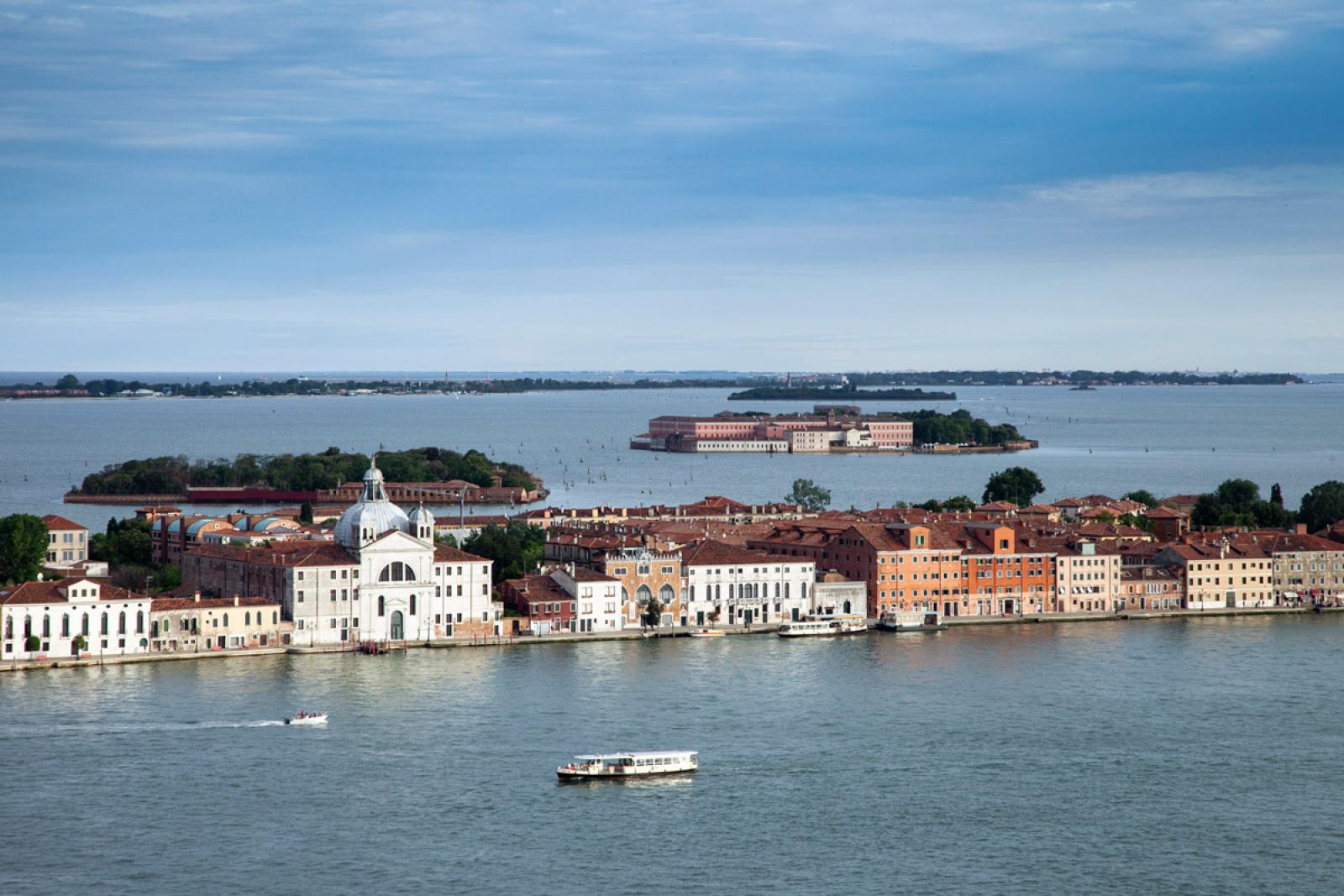
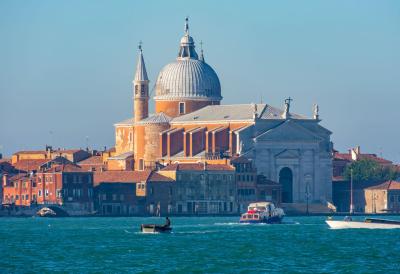
Giudecca is a long island opposite the historic centre of Venice, with a strong residential and authentic identity. Characterised by wide foundations, quiet canals and spectacular views of St Mark's, it is home to iconic landmarks such as the Church of the Redeemer. It is ideal for those seeking a calmer, more local atmosphere, just a few minutes by vaporetto from the city.

Redentore

the festival is celebrated on the third Sunday of July every year to commemorate the end of the plague epidemic of 1575-1577. The Church of the Redeemer is one of Andrea Palladio's masterpieces, built starting in 1577 as an ex voto of the Republic of Venice for the end of the devastating plague that struck the city. Every year Venice renews this vow with the famous Festa del Redentore, during which a floating votive bridge is set up to connect the Giudecca to the rest of the city. The church, a symbol of faith, rebirth and Renaissance architecture, dominates the Giudecca and is still one of the most heartfelt and identifiable places for Venetians.

The House of the Three Oci

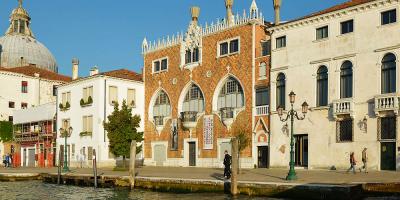
now home to Le Stanze della Fotografia, is one of Giudecca's most important cultural venues. Housed in a historic palazzo overlooking the Giudecca Canal, it is dedicated to art photography, with major temporary exhibitions by Italian and international artists. The museum combines high-level content with an extraordinary view of Venice, making it a must-see for lovers of contemporary art and photography.

Hilton Molino Stucky Venice

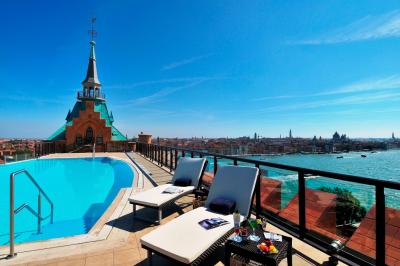
is also an ideal destination for relaxation & beauty, thanks to the presence of spas and wellness centres overlooking the lagoon, far from the chaos of the city centre. Here it is possible to indulge in massages, wellness courses, facial and body treatments, often accompanied by panoramic pools and spectacular views of Venice. A perfect experience for those who wish to regenerate and experience Venice in a slower and more exclusive way.
Giudecca is often called 'the island of seals', a curious nickname born from the habit, especially in the warmer months, of seeing people lying in the sun along the foundations, facing the water, just like seals on the rocks. This image tells the spirit of Giudecca well: relaxed, residential and authentic, where time passes more slowly than in the old town and Venetian daily life is shown without filters.

San Giorgio

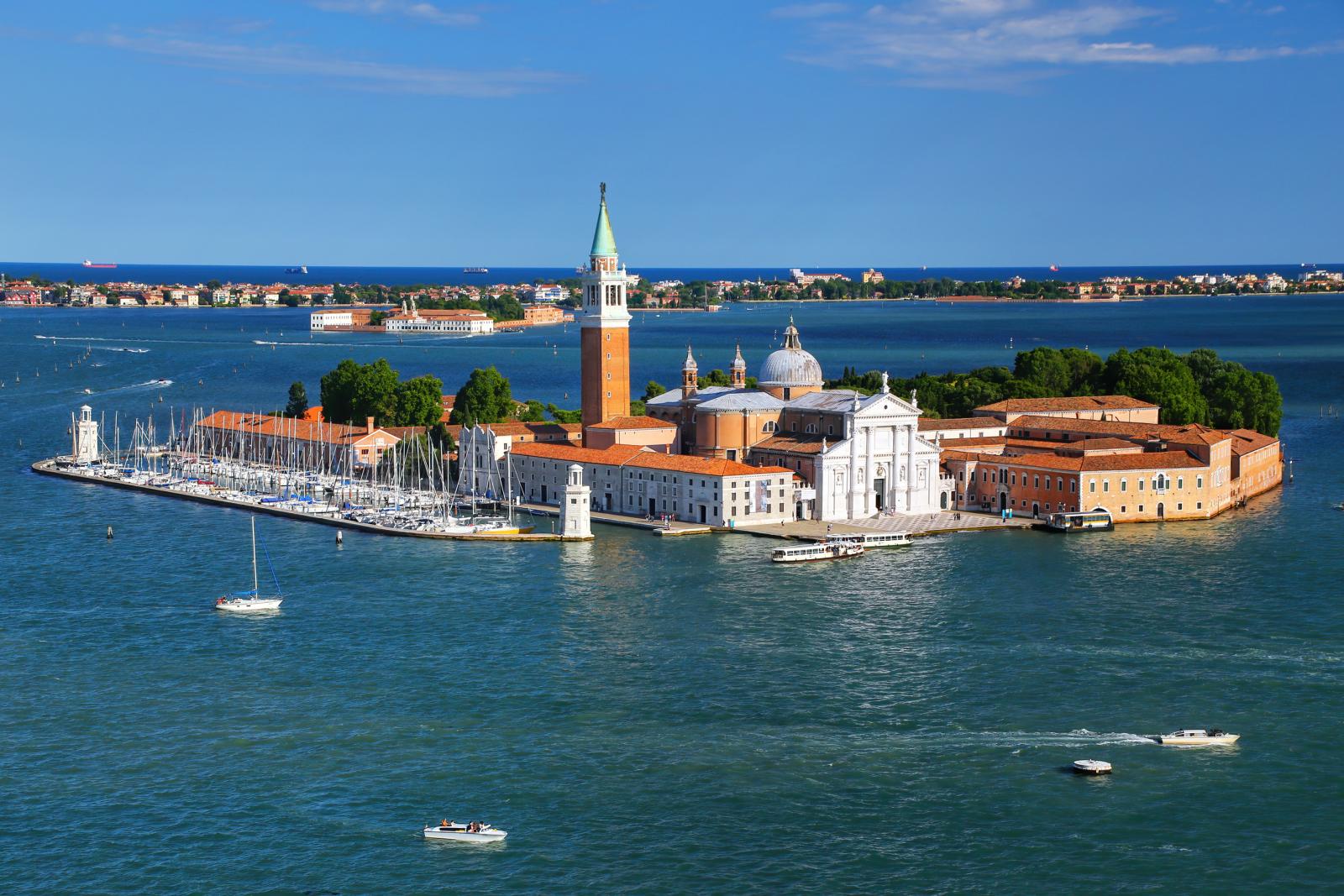
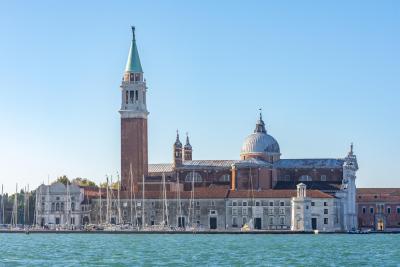
San Giorgio Maggiore is a small island opposite St Mark's Square, famous for its basilica designed by Andrea Palladio. From the bell tower you can enjoy one of the most beautiful panoramic views of Venice, while the island offers an orderly, bright and quiet atmosphere. It is an ideal stop for those who want to discover art, architecture and tranquillity just minutes from the centre.

The bell tower of San Giorgio Maggiore

Take the lift up to one of the city's most spectacular vantage points, with direct views of St Mark's Basin, the Doge's Palace and the iconic Venice skyline, but with fewer crowds than other belvederes.

Giorgio Cini Foundation

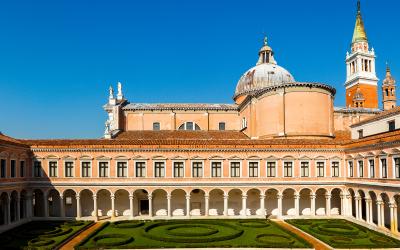
housed in the former Benedictine monastery, is an important cultural centre with temporary exhibitions, art collections, libraries and beautiful spaces such as the Bosco dell'Isola and the monumental cloisters.

The Sailing Club

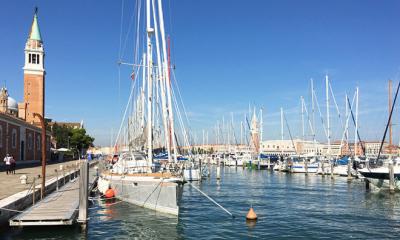
a reference point for sailing and water sports enthusiasts, it represents the sporting soul of the island, immersed in an elegant lagoon setting.

San Giorgio Café

with a curated proposal of contemporary Italian and Venetian cuisine, ideal for a lunch break or an aperitif in a quiet and charming setting.
San Giorgio is the perfect choice for those seeking art, views, silence and quality, just a few minutes by vaporetto from the heart of Venice.